Press Kit
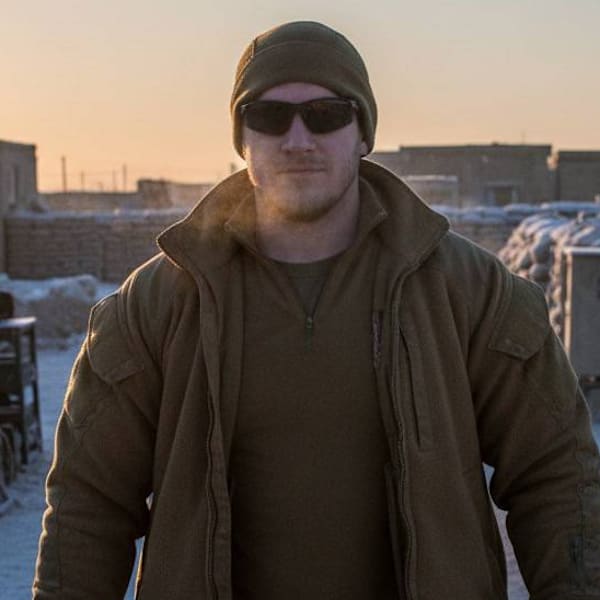
This press kit accompanies the Ledger of Survival series, a collection of interconnected books written from lived experience rather than reflection or analysis. The series follows a U.S. Navy Hospital Corpsman attached to a Marine unit across multiple deployments and into civilian life, documenting what was carried, lost, and endured along the way. Each book functions as a ledger entry—recording moments as they happened, without distance, instruction, or resolution.
The writing is intentionally restrained and direct. These are not stories shaped around heroism, recovery, or lessons learned, but narratives built from accumulation and consequence. Violence and loss exist alongside routine, dark humor, and exhaustion, reflecting the reality of life in combat zones and the quieter aftermath that follows. The series avoids clinical language and psychological explanation, allowing meaning to emerge through action, behavior, and absence.
Blood and Dust is written for readers seeking unfiltered war literature that resists spectacle and sentimentality. It speaks to veterans and civilians alike, offering a ground-level view of service and its aftermath without asking for sympathy or admiration. This press kit provides background on the author, the scope of the series, and the themes that shape the work, offering context while leaving the stories themselves to stand on their own.
Series Overview
The Ledger of Survival is a multi-volume narrative series documenting a U.S. Navy Hospital Corpsman’s experience across multiple deployments and the long aftermath that followed. Each book functions as a discrete entry in a larger record, capturing what was carried, lost, endured, and survived without commentary or instruction. The series moves chronologically from early deployments through separation from service and into civilian life, resisting traditional arcs of heroism, recovery, or closure.
Tone and Approach
The series is intentionally unembellished. The writing favors scene and consequence over reflection or analysis. Psychological language, diagnosis, and moral framing are avoided. Instead, meaning emerges through repetition, physical detail, routine, silence, and change over time. Humor appears alongside violence and loss not as relief, but as survival maintenance.
Intended Audience
The Ledger of Survival is written for:
- Readers of serious contemporary war literature
- Veterans and first responders seeking recognition without romanticization
- Civilian readers looking for grounded, experiential narratives
- LGBTQ+ readers interested in stories where identity exists without explanation or spectacle
These books do not seek to instruct or persuade. They are offered as records.
Key Themes
- Responsibility without control
- Accumulation of loss
- Survival as routine
- Brotherhood through labor and proximity
- Identity without performance
- Continuation without resolution
Content Advisory
The series contains graphic descriptions of combat injury, death, and emotional distress. It also includes themes of substance abuse, homelessness, and suicide attempts presented without instructional detail. Reader discretion is advised.
Author Positioning
The author writes from direct experience as a Navy Hospital Corpsman attached to Marine units. The work does not represent official policy or endorsement from any military or government organization. The focus remains personal, restrained, and deliberately narrow in scope.
Rights and Availability
The series is available in print and digital formats. Translation, adaptation, and media rights are held exclusively by the author unless otherwise stated.
If you’re reaching out, I appreciate you taking the time to do it thoughtfully. I read every message that comes in, even if I can’t always respond right away. These books were written with care and intention, and I understand that they can resonate deeply, especially for those who have lived similar experiences or carry their own quiet weight.
If you’re writing to share how the books affected you, thank you. If you’re writing with questions, corrections, or concerns, I welcome that too. I ask only for patience and respect. This work comes from lived experience, and I try to approach every conversation with the same honesty and restraint that shaped the writing itself.
For professional inquiries, permissions, or speaking requests, please be clear in your message so I can respond appropriately. For personal notes, know that being heard matters, even when words are hard to find.
Whatever brings you here, I’m glad you found your way.