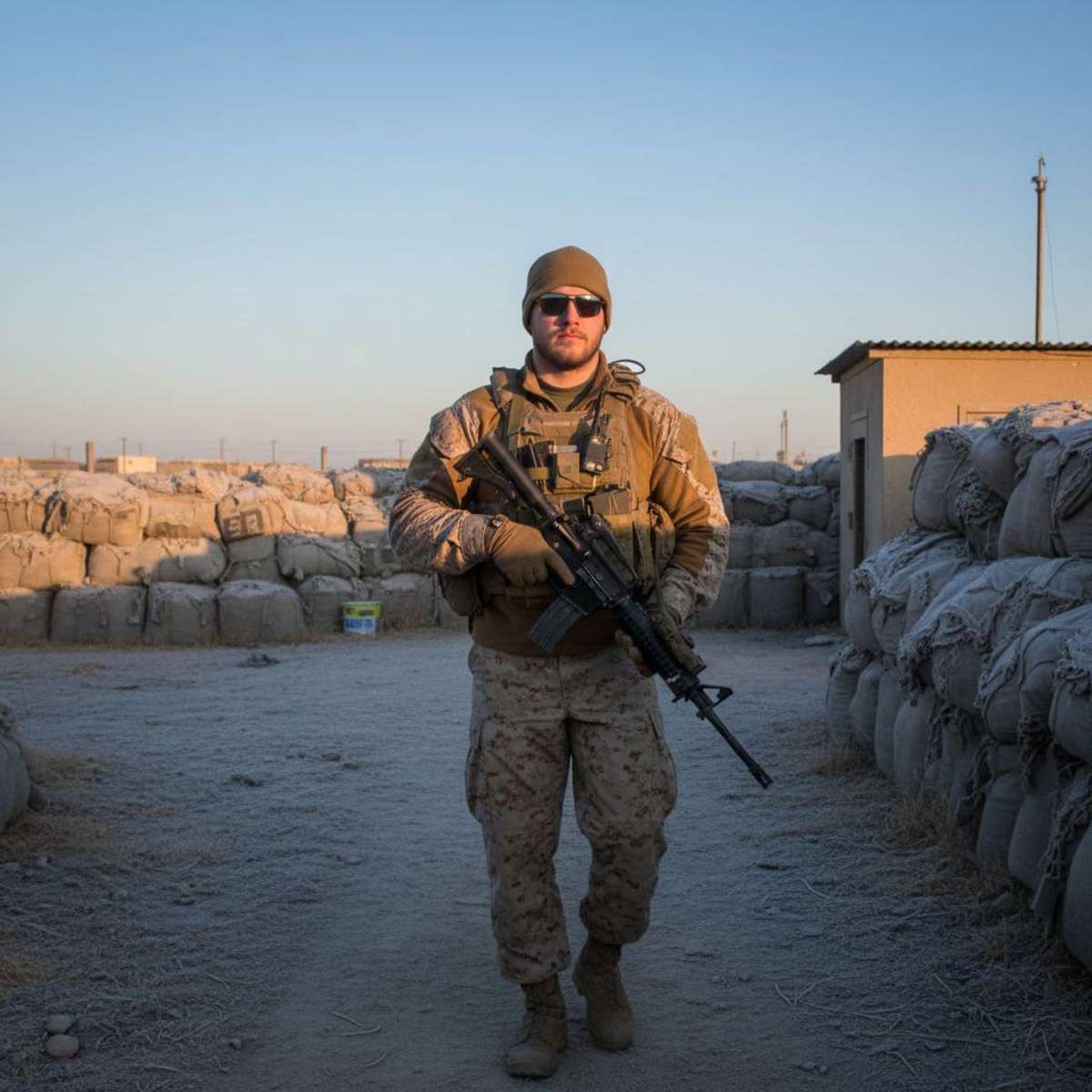
When I joined the military, I didn’t see it as a temporary chapter. I wasn’t counting the days until I got out. I wasn’t dreaming about civilian life or making backup plans for another career. In my mind, this was it. This was the path. I wanted the full twenty years. I wanted the deployments, the brotherhood, the exhaustion, the dark humor, the structure, the sense of purpose—all of it. I wanted to retire wearing the uniform.
So when I was separated against my will, it didn’t just feel like losing a job.
It felt like losing the future I had built my identity around.
That’s the part people outside the military sometimes struggle to understand. For a lot of us, service stops being something we do and becomes something we are. The military shapes your routines, your language, your friendships, your worldview, even the way you carry yourself in public. Your days revolve around mission, accountability, and the people beside you. There’s comfort in that structure, even when it’s exhausting.
Then suddenly, without being ready for it, you’re told it’s over.
I remember the strange numbness that came with it at first. Everyone around me kept talking about “the next chapter” and “new opportunities,” but all I could think was that I never wanted another chapter. I wanted this one. I wanted more deployments. More time with my Marines. More years being a corpsman. I wanted the career I’d imagined for myself, and realizing I no longer had control over that felt like getting the floor ripped out from under me.
What made it worse was watching other people continue on without you.
The military doesn’t stop moving because you leave. Your unit keeps training. Deployments still happen. Promotions still come. The guys you served with keep living the life you thought you’d still be part of. There’s a strange grief in that—almost like surviving something while simultaneously being left behind by it.
One of the hardest things about forced separation is how invisible the loss can look from the outside. People hear “medical separation” or “administrative separation” and often treat it like a career change. But internally, it can feel closer to mourning. You grieve the identity, the purpose, the future plans, and the version of yourself you thought you were becoming.
For me, there was also guilt tied into it.
I felt like I hadn’t finished the job. Like I was abandoning people even though the decision wasn’t truly mine. That feeling sticks around longer than most people realize. You spend years being conditioned to push through pain, stress, exhaustion, and injury for the people beside you. Then one day you’re told you can’t anymore, whether you agree with it or not.
That kind of loss leaves a mark.
Civilian life afterward felt strange in ways I wasn’t prepared for. Everything seemed quieter but somehow less meaningful at the same time. In the military, every day had direction. Even bad days had purpose. Suddenly I was in a world where people complained about things that felt painfully insignificant compared to what I’d gotten used to carrying. I didn’t know how to explain why I felt disconnected without sounding angry or bitter.
And honestly, for a while, I was bitter.
Not because I hated the military, but because I loved it enough that losing it hurt. I missed the dark humor. I missed the routine. I missed the feeling of belonging to something larger than myself. Most of all, I missed the people. There’s no civilian equivalent to the kind of trust built in those environments. Once you’ve experienced it, regular friendships can feel strangely distant for a long time afterward.
There’s also an identity crisis that comes with it. When someone asks who you are, and your entire sense of self was tied to service, what do you say now? That question haunted me more than I expected. It’s hard rebuilding yourself when the version of yourself you valued most feels trapped in the past.
But over time, I started realizing something important.
Wanting to stay didn’t make my service less meaningful just because it ended early.
I used to feel like I failed because I didn’t reach retirement. Like somehow not making twenty years erased what I did give. But the truth is, service isn’t measured only by how long you stayed. It’s measured in the people you took care of, the sacrifices you made, and the pieces of yourself you gave to something bigger than your own comfort.
I still miss it sometimes more than I can put into words. There are days I’d give anything to throw the uniform back on and go back to the life I thought I’d have forever. I don’t think that feeling ever fully disappears when the separation wasn’t your choice.
But I’ve also learned that losing one identity doesn’t mean your life stops having purpose. It just means you have to find a new way to carry the values that mattered to you in the first place.
The uniform came off eventually.
The person it shaped never really does.